
Tradition & History of Koryuu (古流)
The evolution of classical Japanese martial arts was directly forged by shifting political landscapes, imperial decrees, and changing realities on the battlefield.
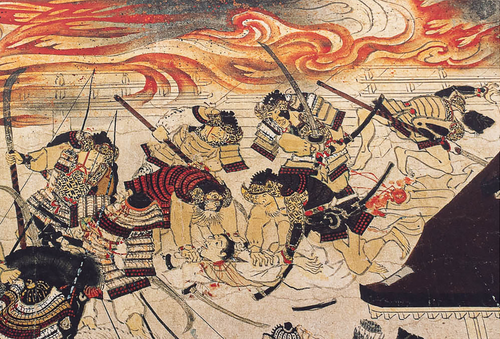
Origins & Individual Combat
Early martial practices (bugei) emerged among elite mounted archers and armored warriors (bushi). Focus was primarily on mounted archery (kyūjutsu), horse-riding (yabusame), and grappling in heavy armor (kumiuchi). Methods were transmitted informally within noble clans rather than through organized, named systems.
Read Post →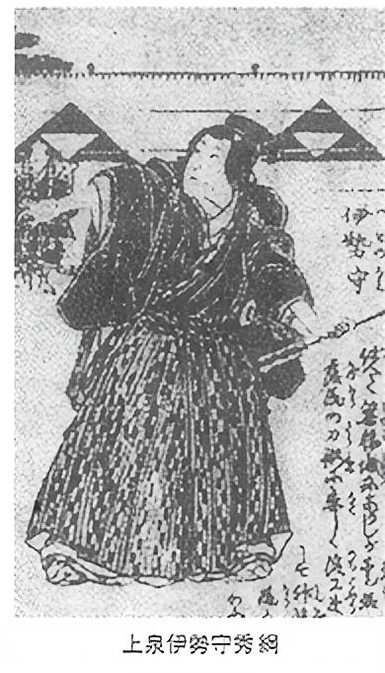
The Golden Age of Battlefield Koryuu
Widespread warfare (Sengoku Jidai) led to the birth of formalized, structured koryū schools (ryūha). Founders synthesized hard-won battlefield experience into systematic curricula designed for immediate survival.
Read Post →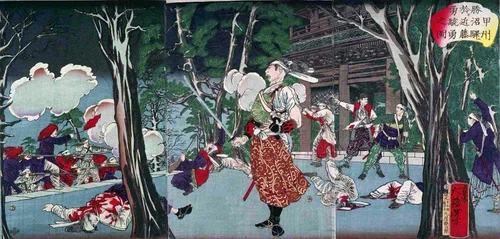
Pax Tokugawa & Formalization
Over 250 years of enforced peace under the Tokugawa Shogunate altered the function of martial arts. Without active battlefields, koryū shifted from mass-warfare tactics toward personal self-defense, duels in civilian clothes, and moral/spiritual discipline (budo).
Read Post →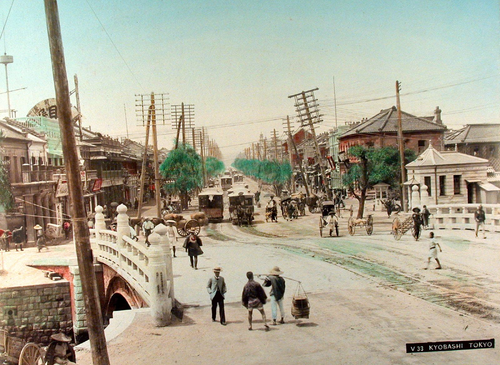
The Samurai Decline & Modernization
The Meiji Restoration abolished the samurai class, banned the public wearing of swords (Haitōrei in 1876), and modernized the military. Koryū faced catastrophic decline as traditional traditions were viewed as obsolete.
Read Post →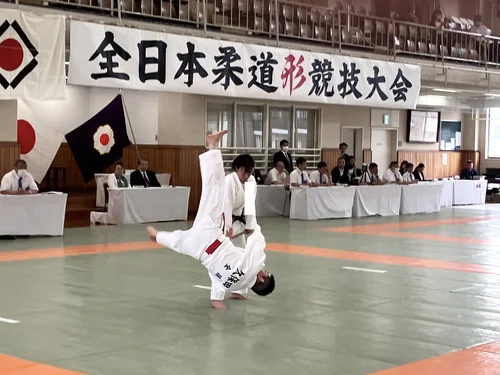
Transition to Modern Arts & Cultural Preservation
Elements of various koryū were synthesized into modern martial arts (Gendai Budō) like Judo, Kendo, and Aikido for mass practice.
Read Post →